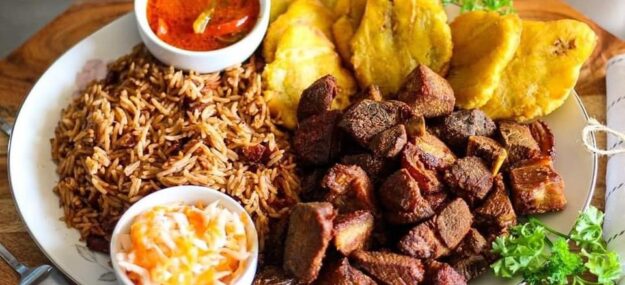


🇭🇹 Haitian Cuisine & Culture Cheat Sheet
A Vibrant Blend of History, Resilience, and Flavor: L’Union Fait La Force (Unity Makes Strength)
📜 Historical Influences: The “Melt-In-A-Pot”
Haitian cuisine is a vibrant Creole cuisine, resulting from centuries of fusion across continents and cultures.
| Influence | Culinary Contribution | Key Ingredients/Techniques |
|---|---|---|
| Indigenous Taíno | The original island flavors, including the technique of **barbecue (Barbacoa)**. | Cassava, corn, sweet potato, pineapple, avocado, grilling meats over fire. |
| West African | The foundation of Creole cooking; focus on hearty, one-pot meals and deep flavors. | Yam, taro/malanga, okra, pigeon peas, plantain, rice & beans (staple), slow stewing/braising. |
| French | Culinary sophistication and inspiration for specific dishes and techniques. | Use of fine pastries (like *paté*), European vegetables (cabbage), and rich, slow-simmered sauces. |
| Spanish | Introduced staple ingredients and a European framework for cooking. | Rice, pork (base for *Griot*), lime/citrus, and the heritage of the island’s name (*Hispaniola*). |
⭐ Key Dishes & Cultural Significance
| Dish | Description | Historical/Cultural Note |
|---|---|---|
| Soup Joumou | Rich, savory-sweet pumpkin/squash soup, often with beef, pasta, and vegetables. | Symbol of Independence. Traditionally eaten on **January 1st** to celebrate freedom from French rule. |
| Diri ak Pwa (*Riz National*) | Rice and Beans (can be cooked together or served with bean puree/sauce). | The ultimate staple, often considered the National Rice Dish. Reflects African influence and resilience. |
| Griot | Marinated, boiled, then double-fried pork cubes. Served with *Pikliz*. | One of the most popular national dishes. The citrus marinade (*zoranj sûr*) is essential. |
🌶️ The Heart of Haitian Flavor: Épis and Pikliz
🌿 Épis: The Foundational Seasoning
A fresh, all-purpose seasoning paste used to marinate all meats and start most savory dishes. It is the core flavor signature.
Key Ingredients: Heavy Garlic, Scallions, Parsley, Thyme, Scotch Bonnet Pepper, and **Sour Orange/Lime Juice (Crucial Acid)**.
🌶️ Pikliz: The Fire and Crunch
The essential Haitian condiment—a spicy, tangy, crunchy pickled vegetable relish.
| Component | Flavor & Texture Role | Essential Pairing |
|---|---|---|
| Base | Crunch and Volume: Shredded Cabbage, Carrots, Onions. | Fritay (Fried Foods) like **Griot** and **Bannan Peze** (Twice-fried plantains). |
| Heat | Fiery, fruity heat: Scotch Bonnet Peppers (*piman bouk*). | |
| Brine | Sharp acidity: White **Vinegar** and **Lime Juice**. |
🍹 Essential Haitian Beverages & Spirits
| Beverage | Type & Description | Key Flavor Notes / Cultural Context |
|---|---|---|
| Kremas (Crémas) | Creamy, spiced liqueur, often served for holidays (Christmas, New Year). | Coconut Milk, Condensed Milk, **Rhum Barbancourt**, Cinnamon, Nutmeg, and essential **Lime Juice** for balance. |
| Akasan | A thick, porridge-like drink made from cornmeal. | Hearty, warm, or chilled breakfast drink. Flavored with Cinnamon, Nutmeg, and Milk. |
| Rhum Barbancourt | World-renowned Haitian Rum. | Distilled directly from **pure cane juice** (like *rhum agricole*), double-distilled, and aged in French oak barrels. Known for its smoothness. |
| Clairin (*Kleren*) | Local, rustic, often unaged white rum. | Made by small *guildives* (distilleries) using **indigenous, organic cane** and **wild fermentation**. Raw, high-proof, and terroir-driven. |
| Jus de Corossol | Soursop Juice. | Creamy, tangy-sweet, and highly refreshing tropical juice. |
🥁 Vodou: Religion, Culture, and the Drum
Haitian Vodou is an officially recognized, syncretic religion blending West African traditions with Catholicism, and was the spiritual catalyst for the Haitian Revolution.
✨ Key Concepts
- **Bondye:** The distant, unknowable supreme creator (“Good God”).
- **Lwa:** Intermediary spirits (like Ogun, Ezili, Gede) who interact with humans; they are served, not worshipped.
- **Houngan/Mambo:** Male and female priests/spiritual leaders and healers.
🎨 Color and Flags (Drapo Vodou)
Color is the language of the spirits. Flags are sacred, lavishly decorated objects used to summon and honor the Lwa.
Example: The warrior spirit **Ogou Feray** is identified by **Red & Blue** (fire and loyalty). His flag is often embroidered with Saint James the Greater.
🥁 The Role of the Drum
The drum is the **sonic conduit** that calls the spirits. Each Lwa has its own unique, complex rhythm, which builds the energy necessary for possession. The three sacred drums—**Manman** (Mother), **Segon** (Second), and **Bula** (Baby)—are treated as consecrated, living members of the community.