Haitian Food Network

Archives 2025

Resources
Nourish Your Mind: Cultivating Peace with Food

Nourish Your Mind: Cultivating Peace with Food

Do you ever feel stress, guilt, or confusion when it’s time to eat? In a world full of conflicting nutrition advice and diet culture pressures, developing a peaceful, trusting relationship with food and your body can feel overwhelming.

This tool is designed to help you shift your perspective from worry and restriction to self-compassion and intuitive eating. We believe that every bite is an opportunity for nourishment, not judgment.

How to Use This Tool:

Use the button below to generate a new affirmation whenever you need a moment of peace—before a meal, during a moment of craving, or simply when checking in with yourself.

Your Daily Affirmation

Click “Get New Affirmation” to begin your journey to self-compassion.

Status: Connected. Ready to save private data.

The Tool’s Workflow

This interactive tool is designed to make building a positive mindset simple and personal. It provides a structured yet flexible path to integrate affirmations into your daily life, empowering you at every step.

1. Generate New Affirmation
2. Favorite ❤️ to Save What Resonates
3. Create New ✨ to Personalize Your Journey

The Hidden Struggle with Food

In a world dominated by diet culture, many people experience a silent, stressful relationship with food. This often leads to feelings of guilt and confusion rather than nourishment and joy. The data shows this is a widespread emotional challenge that requires mindful intervention.

Based on wellness surveys, a significant majority report feeling guilt after eating certain foods.

The Power of a Mindset Shift

Food affirmations work by interrupting negative thought patterns and replacing them with positive, self-compassionate ones. This simple shift can fundamentally change your emotional response to eating.

The Negative Cycle

“I shouldn’t eat this”
Guilt & Stress

The Affirmation Path

“I trust my body”
Peace & Nourishment

The Pillars of Intuitive Eating

Affirmations help strengthen the core principles of intuitive eating. Consistently practicing them leads to balanced improvements across key areas of your well-being, fostering a holistic and healthy relationship with food.

Popular Affirmation Themes

Users gravitate towards themes that address core emotional needs like self-worth and releasing guilt, highlighting a collective desire for a more trusting and compassionate relationship with their bodies.

Your Growth Over Time

Consistency is the key to lasting change. Regular use of affirmations can lead to a measurable increase in mindful eating habits and a more peaceful relationship with food over the months.

Ready to start? Use the tool at the top of the page to find your first moment of peace today.

Data is representative of general wellness trends.

EPIS: HAITIAN HOMEMADE SEASONING

Haitian Epis is a traditional Haitian seasoning blend used in many Haitian dishes to add flavor and depth. It typically includes a combination of ingredients like garlic, onions, scallions, parsley, thyme, peppers, and various spices. Each household or cook might have their own variation of the recipe, but the key is to create a flavorful base that can be used to season meats, seafood, rice, and more. It’s a crucial component of Haitian cuisine, known for its rich and aromatic flavors.

The love for Epis goes beyond just its taste; it’s also deeply tied to cultural identity and tradition. Many Haitian families have their own unique recipes for Epis, passed down through generations, each with its own special twist. It’s a way of preserving heritage and connecting with one’s roots.

Moreover, Epis is incredibly versatile. It can be used as a marinade, a seasoning for meats, seafood, or vegetables, or even as a flavor enhancer for soups and stews. Its versatility and delicious taste make it a staple in Haitian kitchens and a beloved part of Haitian culinary culture.

WHAT MAKES THE HAITIAN SOUP JOUMOU SO FAMOUS

Haitian Soup Joumou holds a special place in Haitian culture and history, making it famous for several reasons:

soup joumou haiti
soup joumou
  1. Historical Significance: Soup Joumou, also known as Pumpkin Soup, has historical significance as it symbolizes freedom and independence for Haiti. It is traditionally served on January 1st to commemorate Haiti’s independence day, which was January 1, 1804. Before gaining independence, Haitian slaves were forbidden from consuming this soup, which was considered a delicacy reserved for the French colonizers. Therefore, its consumption by the Haitian people after gaining independence became a symbol of their freedom.
  2. Cultural Heritage: Soup Joumou is deeply rooted in Haitian culture and is a dish enjoyed by Haitians across the globe, especially during special occasions and celebrations. Its rich flavors and ingredients reflect the diversity of Haitian culinary traditions, blending African, French, and indigenous influences.
  3. Nutritional Value: Soup Joumou is not only delicious but also nutritious. It typically contains a variety of vegetables, including pumpkin, carrots, potatoes, and cabbage, as well as meat such as beef or chicken. These ingredients provide essential nutrients and vitamins, making it a hearty and satisfying meal.
  4. Social Gathering: Sharing Soup Joumou with family and friends is a cherished Haitian tradition. It often brings people together, fostering a sense of community and unity. Whether prepared at home or enjoyed at a communal event, the soup is a centerpiece of Haitian gatherings, symbolizing warmth, hospitality, and togetherness.
  5. Culinary Excellence: Soup Joumou is renowned for its complex flavors and meticulous preparation. Each household may have its own variation of the recipe, passed down through generations, adding to its cultural significance and culinary diversity.

Overall, Soup Joumou’s fame is deeply intertwined with Haitian history, culture, and culinary traditions, making it a beloved symbol of freedom, unity, and celebration for the Haitian

HISTORY BEHIND THE HAITIAN CUISINE

Haitian cuisine is a flavorful and vibrant reflection of the country’s rich history and cultural heritage. Its origins can be traced back to a blend of African, French, indigenous Taíno, and Spanish culinary traditions.

  1. African Influence: The majority of Haitians are descendants of African slaves brought to the island during the colonial period. African culinary traditions heavily influence Haitian cuisine, with staples like rice, beans, plantains, and various spices being central to many dishes. Techniques such as stewing, frying, and marinating are also reminiscent of African cooking methods.
  2. French Influence: Haiti was colonized by the French in the 17th century, and French culinary influences are prevalent in Haitian cuisine. This influence can be seen in dishes like bouillon (a soup/stew), which resembles French bouillabaisse, and various pastries and desserts like pain patate (sweet potato pudding) and macaroni au gratin.
  3. Indigenous Ingredients: Before European colonization, the indigenous Taíno people inhabited the island of Hispaniola, which Haiti shares with the Dominican Republic. While their culture was largely decimated during colonization, some indigenous ingredients and cooking techniques persist in Haitian cuisine. These include the use of root vegetables like yams and cassava, as well as certain cooking methods such as roasting.
  4. Spanish Influence: Although less pronounced than French influence, Spanish culinary traditions have also left their mark on Haitian cuisine. This influence is particularly evident in certain dishes and ingredients that have Spanish names or origins, such as arroz con pollo (rice with chicken) and certain varieties of beans.
  5. Creole Fusion: Over time, these diverse culinary influences merged to create what is now known as Haitian Creole cuisine. This fusion of African, French, indigenous, and Spanish culinary traditions has resulted in a unique and flavorful cuisine characterized by bold spices, hearty stews, and a wide variety of tropical fruits and vegetables.

Overall, Haitian cuisine reflects the resilience and resourcefulness of the Haitian people, who have creatively adapted and preserved their culinary heritage despite centuries of colonialism, slavery, and hardship.

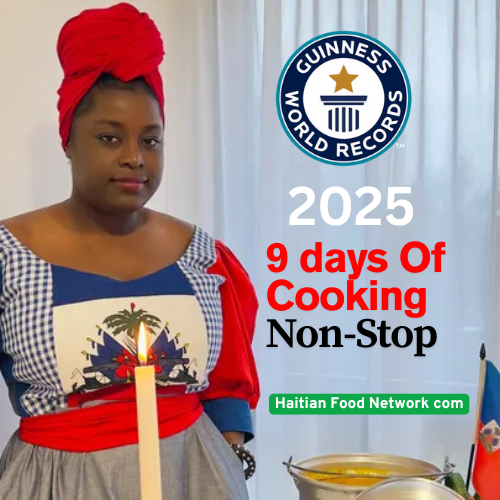
Chef Leen Makes Haitian History in France with a 9-Day Nonstop Cooking Marathon

Paris, France – April 16, 2025 — In a powerful celebration of Haitian culture and cuisine, Chef Leen, a Haitian woman living in France, has just completed 9 days of nonstop cooking, finishing on April 16, 2025, in an awe-inspiring attempt to break the Guinness World Record for the longest cooking session by an individual. Her culinary endurance wasn’t just about cooking for a record—it was about putting Haitian food and Haitian culture on the global map.

At HaitianFoodNetwork.com, we are proud to spotlight Haitian excellence and provide a space where our cuisine, stories, and vendors can shine. Chef Leen’s achievement is a powerful reminder of the strength of our community and the flavor of our heritage.

🍽️ Honoring Haiti One Dish at a Time

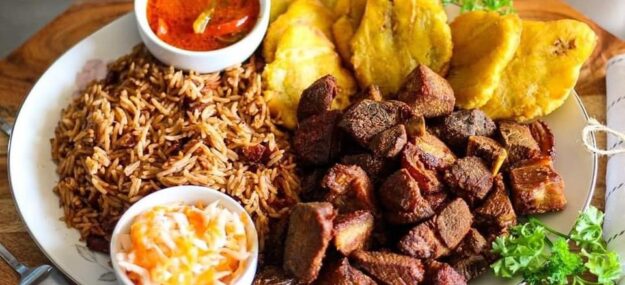
From stews like legim to staples like diri kole ak pwa, and crowd favorites like bouillon, Chef Leen prepared more than 100 different meals—each one inspired by generations of Haitian culinary tradition. Her 9-day effort in France has brought international attention to Haitian cuisine, a mission we fully support at Haitian Food Network.

Whether you were born in Haiti or you’re just discovering its delicious traditions, now is the perfect time to learn, taste, and support.

🌍 Discover Haitian Culture at HaitianFoodNetwork.com

Chef Leen’s achievement is more than a record—it’s a movement. And HaitianFoodNetwork.com is your home for all things Haitian food:

Authentic Haitian Recipes

Bring the flavor of Haiti into your own kitchen with detailed, step-by-step instructions for dishes like griot, tassot, marinad, and more.

Merchandise & Kitchen Must-Haves

Show off your roots with Haitian-themed kitchen gear, apparel, and culinary essentials designed to celebrate our culture.

Cultural Blogs & Features

Stay connected with Haitian chefs, community stories, food tips, and inspiring news—like Chef Leen’s marathon!

NEW Marketplace for Haitian Vendors

We just launched a brand-new marketplace where Haitian entrepreneurs can showcase and sell their products. From handmade crafts to pantry staples, it’s all here—and all Haitian.

🌟 Why This Matters

Chef Leen’s determination and cultural pride remind the world that Haitian cuisine is powerful, healing, and worth celebrating. Her record attempt honors the resilience of Haitian women and uplifts the stories behind our food.

Whether you followed her journey from France or watched the updates online, you now have the opportunity to be part of the movement she started.

🔥 What You Can Do Next

Option 1: Explore Our Food, Recipes & Culture

Visit HaitianFoodNetwork.com today and immerse yourself in the world of authentic Haitian food, blogs, and culture. Whether you’re looking for new recipes, heritage merch, or want to read more about heroes like Chef Leen—we have it all.

Option 2: Support Haitian Vendors in Our New Marketplace

Love shopping small and supporting your people? Our marketplace features real Haitian creators and business owners. Shop unique products, foods, and crafts all in one place—and help us grow our economy together.

🛍️ Start supporting Haitian vendors here »

Chef Leen cooked for 9 days straight to shine a light on Haitian culture. Let’s keep it going.

📲 Follow us on social media
💬 Use hashtags like #ChefLeen, #HaitianFoodNetwork, #HaitianCuisine, #GuinnessCookingRecord, and #SupportHaitianBusinesses

💻 Visit: https://haitianfoodnetwork.com